
A Rare Glimpse – India’s Last Remaining Headhunters
 Holiday Scout
posted on 19 May 2016
Holiday Scout
posted on 19 May 2016
Westerners assume that headhunting was a primitive act of brutality. But in times before the 1960’s when Christian missionaries had the practice abolished, headhunting was deemed by the Konyak as something admirable, as a sign of valor and dominance.
In those bygone days, heads played the same role that money does today, and taking enemy heads earned a Konyak warrior a position of respect within society. The more heads he took, the higher his standing and wealth grew and, hence, the more eligible he became to choose a wife.
A warrior’s tattoos symbolized his accomplishments. If he brought home a body part of the enemy his reward was a tattoo on his body. If he severed a head, he earned the privilege of getting one on his face. And after a warrior had taken five heads, he could have his neck tattooed with the prestigious “spider web” design. Today, with headhunting a thing of the past, elder tribesmen are the only ones left wearing these amazing tattoos.
In earlier times, the skulls of severed enemy heads adorned the walls of the Konyak communal houses. Today, instead, bones of buffaloes, mithun, boars and hornbills are displayed to show the status of a man in society. With the invasion of Christianity, many of the Konyak Naga’s traditions like training young boys as warriors, wearing colorful beaded jewelry and building thatched-roof houses have almost disappeared. Now is the time to see them – before they are forever lost to history.
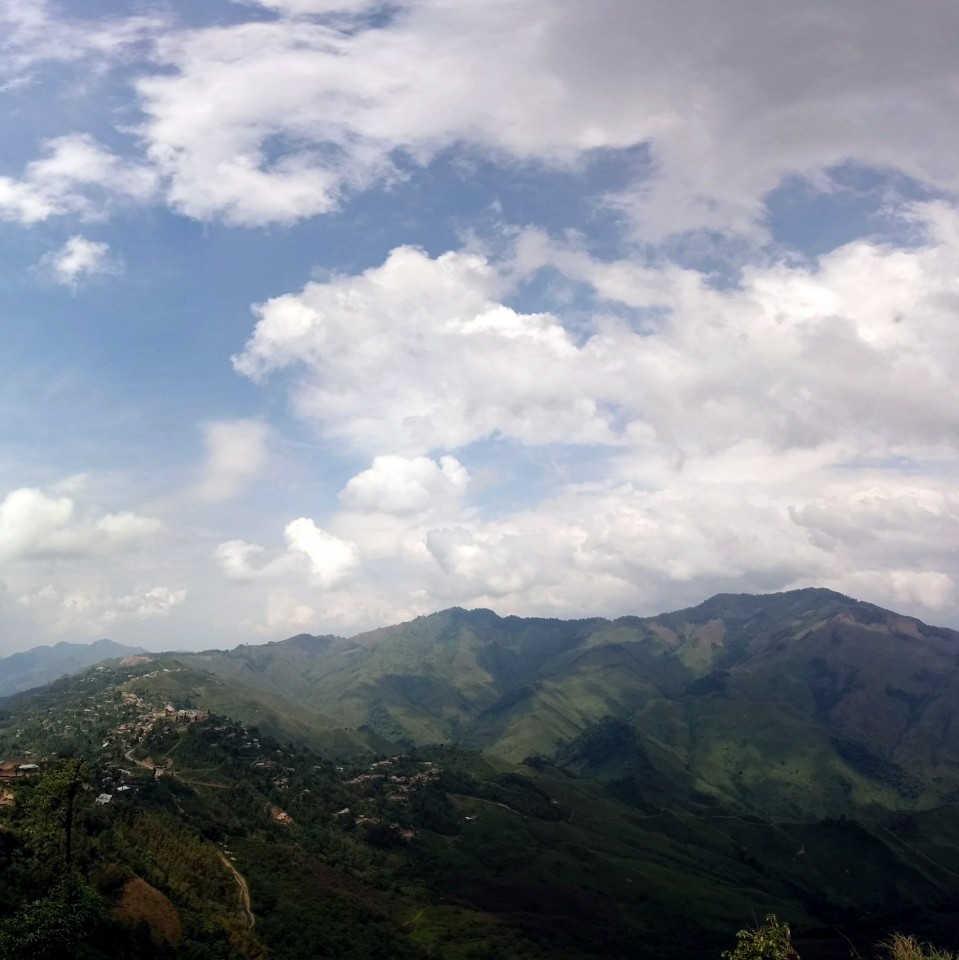
Lungwa borders India and Burma
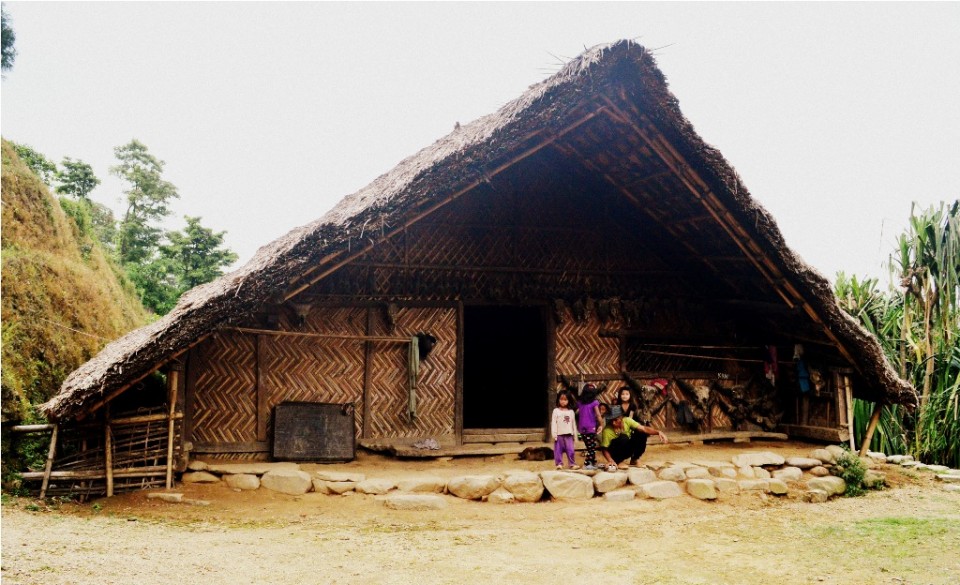
Konyak Family House
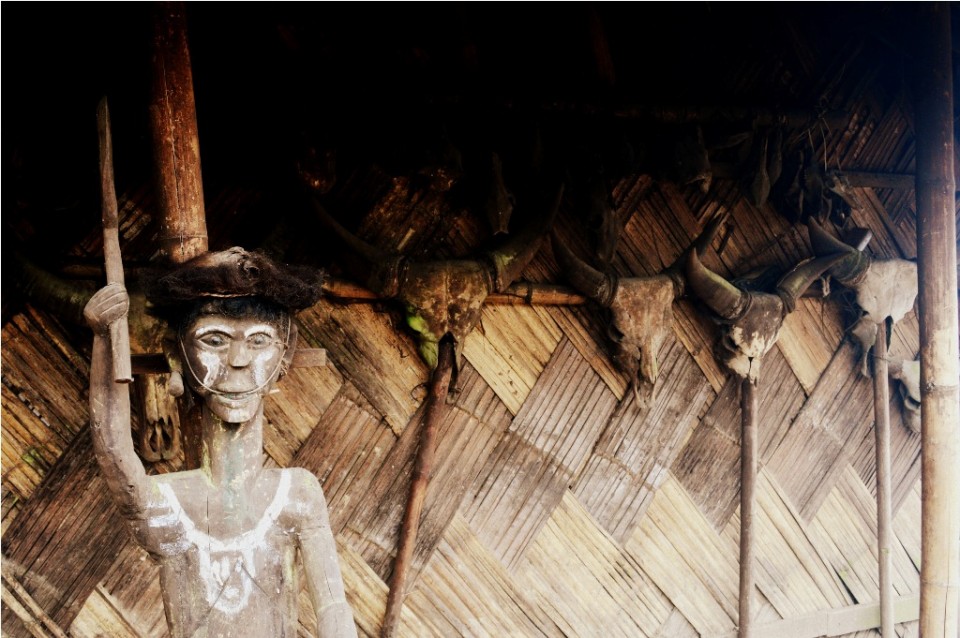
Konyak House with Skulls
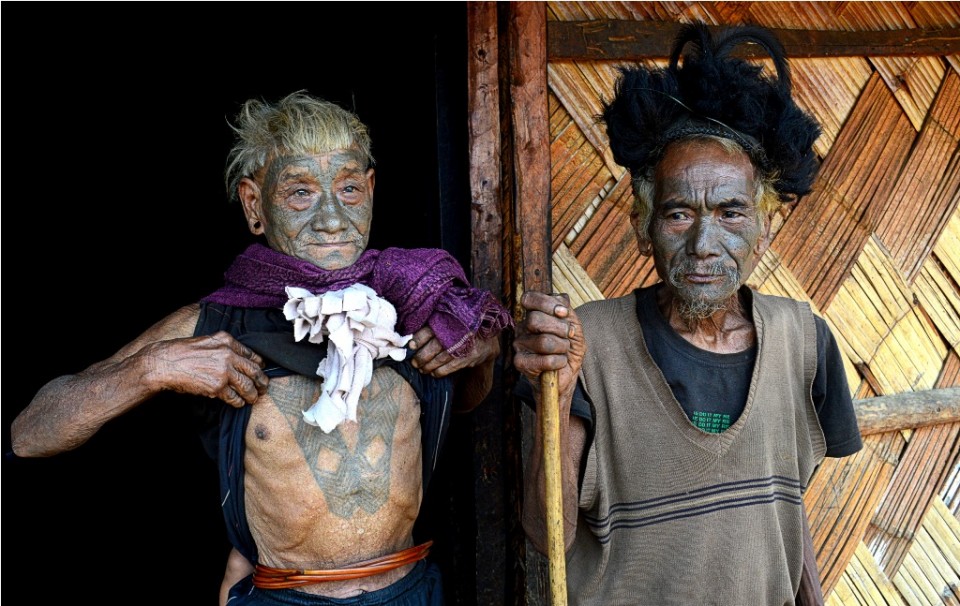
Elder Konyak Tribesmen
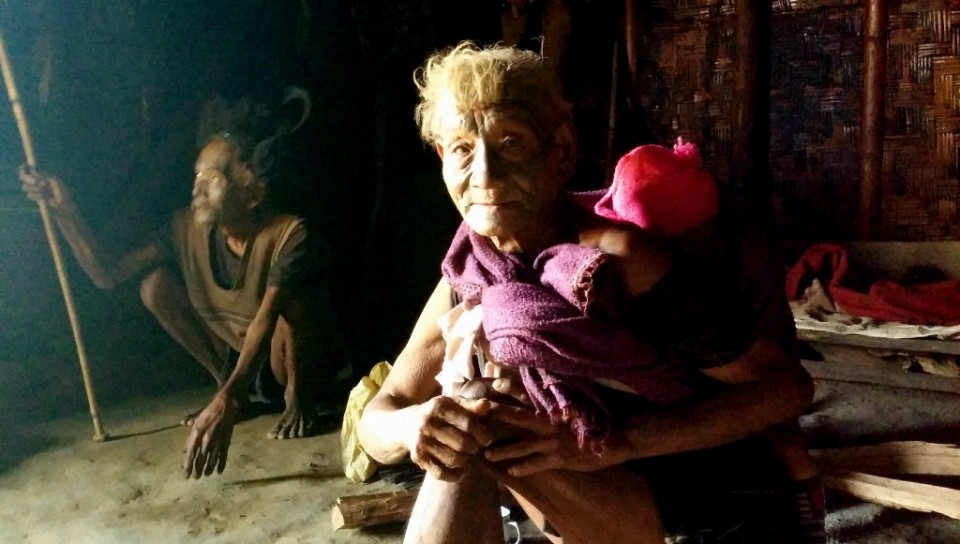
Inside a Konyak House
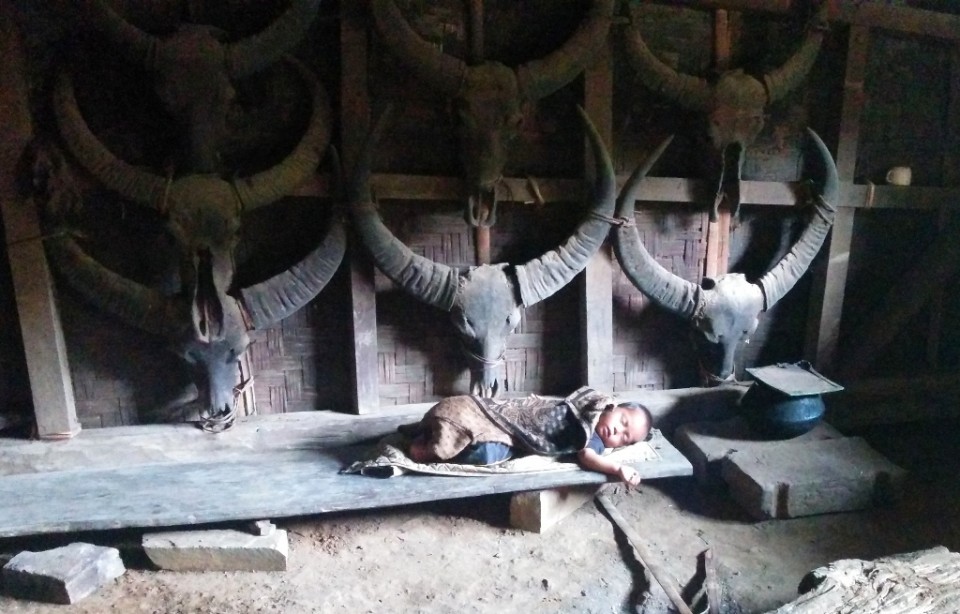
Sleeping Konyak Infant
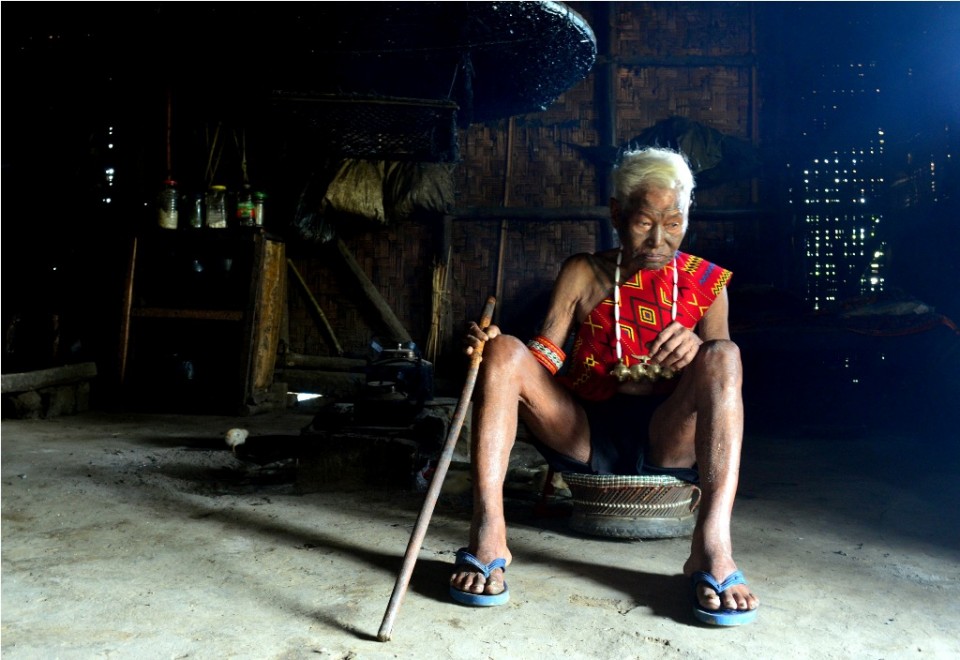
Konyak in Traditional Dress
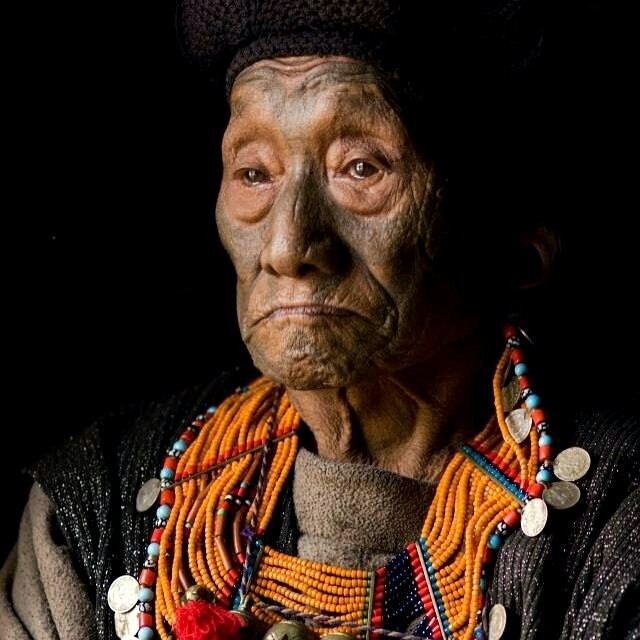
Konyak with Necklace
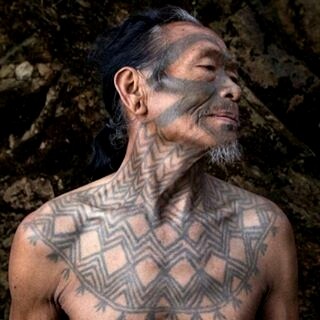
Konyak with Spider Web Tattoo
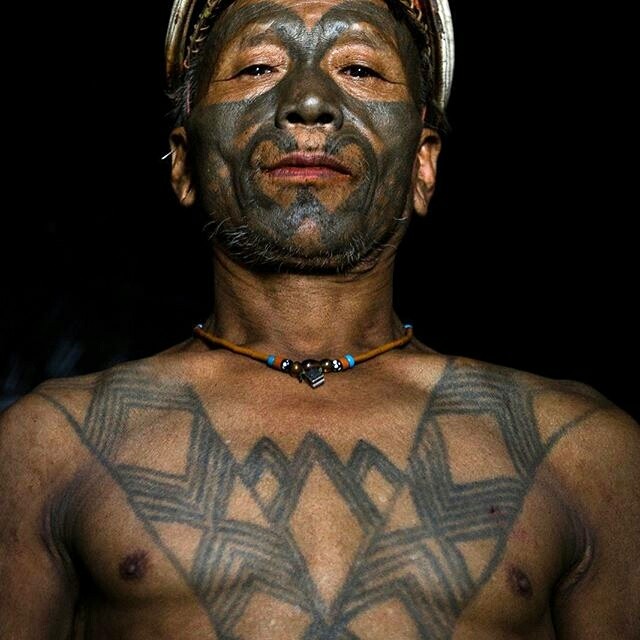
Konyak with Tattoos
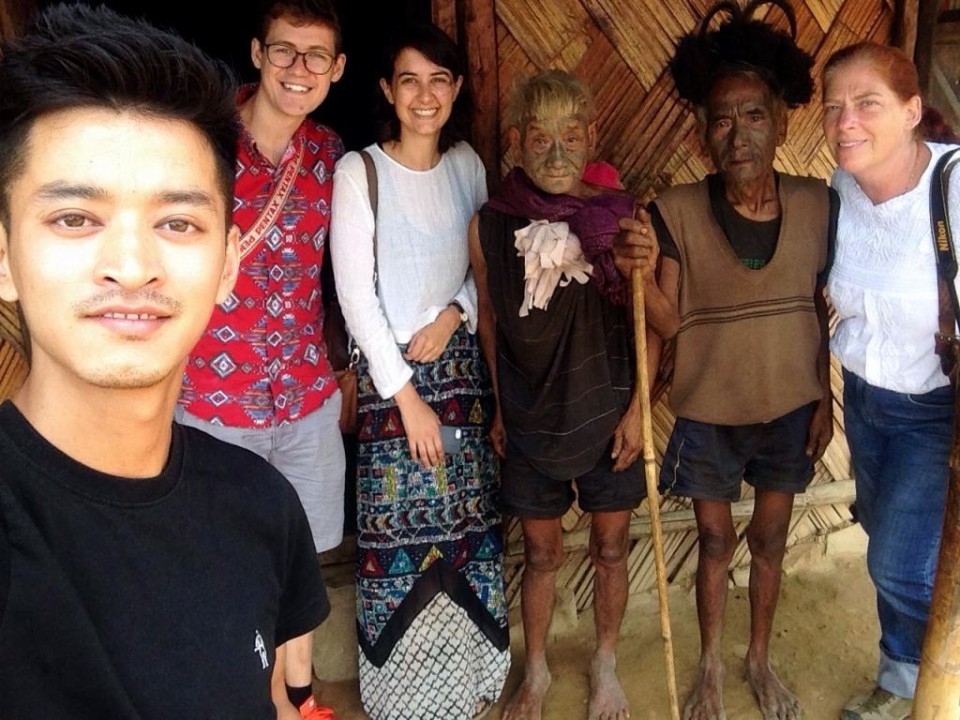
Visit the Konyak with Holiday Scout
Tags: Travel, Nagaland, Arunachal Pradesh, North East India, Lungwa, Konyak, Headhunters, Tattoos, Tribe
Tag Cloud
Caves Explorer Of The Year Reiek Mountain Adventure Travel Aizawl Wakro Festivals Mishmi Handicrafts Culture Dirang Tawang Himalayan Hero Headhunters Assam Monastery Nagaland Cherrapunjee Kaziranga Meghalaya Apatani Reviews North East India Tattoos Meitei Ladakh Photography Explore India Ziro Cooking Street Fashion Konyak Hornbill Festival Manipur Cultural Preservation #indiaiscalling Safari Tripadvisor Living Root Bridges Condé Nast Taveller Nohkalikai Falls Art Lungwa Nature Mizoram Vantawang Falls Arunachal Pradesh Tribe Outdoor