
Meeting the Mishmi
 Holiday Scout
posted on 01 April 2017
Holiday Scout
posted on 01 April 2017
The Mishmis are an ethnic group comprised of three tribes, the Idu, the Digaru and the Miju. Racially, all three are from the same stock and are believed to have migrated to India from Tibet and from Burma. With their villages perched in hills beyond the reach of so-called modernizers, the Mishmis maintain time-honored ways and are largely animist, worshiping a number of deities, most of which are connected to elements of nature.
Watered by a multitude of springs and streams, the hills and valleys surrounding Wakro are full of orange orchards and fields plump with corn and pumpkins. Entering the village, traditional Mishmi longhouses come into sight. Made of bamboo and raised on posts that are about one meter above ground, domestic animals find shelter directly underneath.
Inside, the houses are rustic and cozy, the kitchen fireplace being where family members come together to share meals and stories of the day. Above the hearth, a rectangular wooden frame hangs suspended for the purpose of smoking meat, and bottles filled with pickled chilies and fruits line the windowsills. Life here is simple but rich.
We had come to make portraits of the Mishmis who are known for their expertly woven textiles and distinctive adornments. Going through my collection, I am captivated by the beauty and humanity of these gracious people with whom I was so lucky to spend some time.
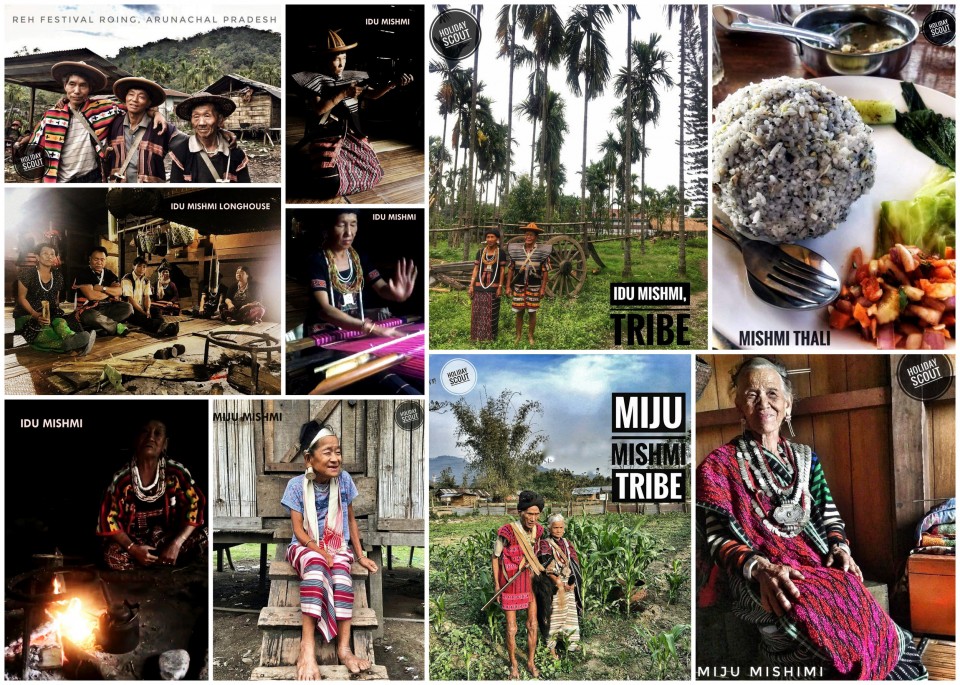
Among the Miju and Idu Mishmi Tribes
Tags: Travel, Arunachal Pradesh, North East India, Photography, Cultural Preservation, Mishmi, Wakro
Tag Cloud
Tribe Reiek Mountain Adventure North East India Art #indiaiscalling Cherrapunjee Dirang Explore India Assam Himalayan Hero Mizoram Condé Nast Taveller Lungwa Nohkalikai Falls Street Fashion Meitei Explorer Of The Year Tawang Travel Living Root Bridges Safari Hornbill Festival Ladakh Nagaland Vantawang Falls Wakro Tattoos Cooking Meghalaya Outdoor Kaziranga Manipur Konyak Festivals Apatani Culture Handicrafts Nature Aizawl Mishmi Headhunters Cultural Preservation Tripadvisor Photography Monastery Reviews Caves Arunachal Pradesh Ziro